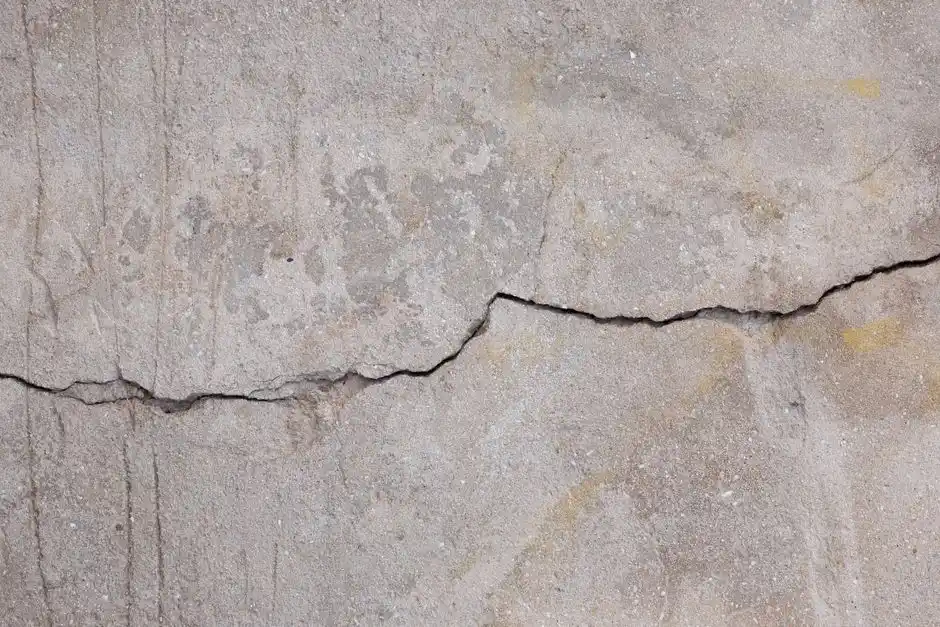
The signs you should not ignore are horizontal cracks wider than a credit card, a wall face that bulges or leans more than an inch over eight feet, rust-colored stains weeping through the concrete, and water pooling at the base after every rain. Any one of those means the wall is already losing the fight against soil pressure and water, and waiting usually doubles the repair bill. Concrete retaining wall repair signs San Diego homeowners catch early - a hairline crack, a stubborn patch of efflorescence, a gate that suddenly drags - are the cheap ones to fix. This post walks through what each sign actually means, what repairs cost in San Diego in 2026, and when a wall is past saving.
What concrete retaining wall repair signs San Diego homeowners should never ignore
Concrete retaining wall repair is the structural work of restoring a wall that holds back soil, water, or a slope so it can keep doing that job safely. In San Diego, most residential walls are 3 to 6 feet tall and hold back hillside lots in places like La Mesa, El Cajon, and the canyons of Clairemont. When one of these walls starts to fail, it rarely fails quietly.
Here are the signs that matter, roughly in order of urgency:
- Horizontal cracks running along the wall face - these track the steel reinforcement and usually mean the rebar is corroding and expanding.
- Bulging or bowing of the wall face, often most visible when you sight down the wall from one end.
- A lean of more than 1 inch over 8 feet when measured with a level or plumb line.
- Rust stains or white chalky efflorescence bleeding through the concrete - both are water moving where it shouldn't.
- Soil settling or a gap opening between the wall and the ground behind it.
- Water pooling at the base for more than a day after rain, or a soggy strip that never dries.
- Doors, gates, or fences attached to the wall that suddenly stick, drag, or won't latch.
A single hairline vertical crack under 1/16 inch is usually cosmetic shrinkage and can wait. A horizontal crack, a lean, or water pushing through the wall is a different animal - that's active movement, and it accelerates once the rainy season starts.
Why San Diego's soil and weather punish retaining walls
San Diego's combination of expansive clay soils, steep canyon lots, and long dry spells broken by intense winter rain is genuinely hard on retaining walls. The clay in inland areas like Santee, Poway, and Ramona swells when it gets wet and shrinks when it dries, and that cycle pushes and pulls on the wall from behind. Coastal areas from Pacific Beach down to Imperial Beach deal with salt air that eats into rebar and accelerates spalling.
The bigger problem is water. A retaining wall is really a dam, and if the drainage behind it clogs, hydrostatic pressure builds up fast. One inch of rain on a 500-square-foot slope adds over 300 gallons of water that has to go somewhere. If the weep holes are plugged and the gravel backfill is silted up, that water pushes against the wall instead of draining through it. That's how a wall that looked fine in August is leaning by February.
We see this pattern constantly on hillside properties, and it's one of the reasons we treat drainage as part of the wall, not an accessory. If you're already thinking about the slope behind the wall, it's worth looking at the full picture of Concrete Retaining Walls San Diego CA - how they're built, drained, and reinforced - before you commit to a patch job.
How much does concrete retaining wall repair cost in San Diego CA?
Typical 2026 pricing in San Diego runs $400 to $1,200 for cosmetic crack repair and sealing on a wall under 20 feet, $2,500 to $7,500 for structural repair on a wall that's bulging or has failed drainage, and $12,000 to $30,000 or more to remove and rebuild a wall that's past saving. The spread is wide because the cost is driven by access, wall height, and how much of the wall has to come apart to fix what's behind it.
What actually moves the number:
- Wall height and length. A 3-foot garden wall is a different job than a 6-foot wall holding back a driveway.
- Access. A wall you can reach with a wheelbarrow is cheaper than one on a canyon slope where everything has to be carried or pumped.
- Drainage work. Adding or rebuilding a French drain, gravel backfill, and weep holes behind the wall usually adds $1,500 to $4,000 but is the difference between a repair that lasts and one that fails again.
- Permits. Walls over 4 feet in many San Diego jurisdictions, and any wall acting as a structural support, typically require a permit and engineering. That adds time and cost but protects you at resale.
- Rebar condition. If the steel inside is corroded, the repair has to expose and treat it, not just patch the surface.
If the concrete itself is sound and the problem is surface-level - spalling, scaling, cosmetic cracking - resurfacing is often the cheaper path. We handle that under Concrete Repair & Restoration San Diego CA, and it's a good option when the wall isn't moving.
Can a leaning retaining wall be repaired in San Diego?
Yes - a leaning wall can often be repaired rather than replaced, but only if the lean is caught before the wall has rotated past the point where the reinforcement is compromised. A wall leaning 1 to 2 inches over 8 feet is usually fixable with a combination of drainage correction, soil relief behind the wall, and either helical anchors or a new reinforced facing tied into the existing structure. Past about 3 inches of lean, or once the wall has visibly rotated at the base, replacement is usually the honest answer.
The repair sequence we use on most leaning walls:
- Excavate behind the wall to relieve the soil pressure.
- Inspect and treat the rebar - corroded steel gets exposed, cleaned, and where needed supplemented.
- Install or rebuild drainage: gravel, filter fabric, perforated pipe, and weep holes.
- Anchor or rebuild the wall face so it's plumb and tied back into stable soil.
- Backfill in lifts and compact, then finish the surface.
Skipping step three is the most common reason a repaired wall leans again within two or three years. The wall didn't fail because the concrete was weak - it failed because water had nowhere to go.
Common mistakes we see on San Diego retaining wall repairs
The most expensive mistake is patching the visible crack without fixing the water behind it. We've torn out walls that had been "repaired" twice in five years because the drainage was never touched - the crack gets filled, the wall looks fine for a season, and then it moves again.
Other mistakes worth avoiding:
- Patching over rust stains. Rust means the steel inside is corroding. Covering it hides the symptom and lets the corrosion continue.
- Adding soil on top of the wall. Extra backfill adds load the wall wasn't designed for. We see this a lot after landscaping projects.
- Planting trees within a few feet of the wall. Roots find the drainage line and clog it, and large root systems can physically push the wall.
- Sealing the wall face without fixing the back. A sealed face traps moisture inside, which accelerates spalling.
- Ignoring the permit threshold. A wall over 4 feet that's holding back a slope usually needs a permit. Unpermitted structural work becomes a problem at sale.
If you're not sure whether your wall is cosmetic or structural, that's the right time to get eyes on it. Our team handles Concrete Crack Repair San Diego CA and full structural repair, and we can usually tell within a few minutes of looking whether a wall needs patching, anchoring, or rebuilding.
When to call a professional
Call a professional when the wall is leaning, bulging, or showing horizontal cracks - those are structural, not cosmetic. Also call if water is pooling at the base after rain, if the wall is over 4 feet tall and holding back a slope, or if you're seeing rust stains that keep coming back after cleaning. Any of those means the wall is under load it wasn't designed to carry.
Small vertical hairline cracks and minor surface scaling can usually wait for a scheduled repair, but they shouldn't be ignored indefinitely. San Diego Concrete Contractor handles retaining wall inspection, repair, and replacement across the county, and we'll tell you plainly whether your wall needs a patch, an anchor system, or a rebuild.
Frequently Asked Questions
What are signs my concrete retaining wall needs repair in San Diego?
Horizontal cracks wider than 1/16 inch, a lean over 1 inch in 8 feet, bulging, rust stains, and water pooling at the base after rain. Any of those means active movement or drainage failure, and the repair gets more expensive the longer you wait.
How much does concrete retaining wall repair cost in San Diego CA?
In 2026, cosmetic crack repair runs $400-$1,200, structural repair with drainage correction runs $2,500-$7,500, and full replacement runs $12,000-$30,000+. Access, wall height, and whether a permit is required drive most of the difference.
Can a leaning retaining wall be repaired in San Diego?
Yes, if the lean is under about 2 inches over 8 feet and the rebar isn't badly corroded. Repair involves relieving soil pressure, fixing drainage, and anchoring or rebuilding the face. Beyond 3 inches of lean, replacement is usually the better call.
Who repairs concrete retaining walls in San Diego?
Licensed concrete contractors who handle structural repair, drainage, and permitting. San Diego Concrete Contractor repairs and replaces retaining walls countywide, from hillside lots in La Mesa to coastal walls in Pacific Beach.
How long does retaining wall repair take?
Cosmetic crack repair is usually a one-day job. Structural repair with drainage work typically takes 3 to 7 days. Full replacement runs 1 to 3 weeks depending on access, permits, and weather.
Get help with Concrete Contractor in San Diego
If your wall is leaning, cracking, or holding water, the sooner we look at it, the cheaper the fix. We inspect, diagnose, and give you a straight answer on repair versus replacement.
Call San Diego Concrete Contractor at +1 619-231-1616 to schedule a retaining wall inspection.