Concrete Foundation Construction San Diego CA
Concrete Foundation Construction San Diego CA means an engineered, code-compliant base that carries your structure for decades, not a slab that cracks in year three. We handle excavation, rebar, forming, and foundation pouring San Diego homeowners can build on, from Carmel Valley additions to Chula Vista ADUs. If you need a foundation contractor in San Diego California who pulls the permits and pours to spec, call us today.
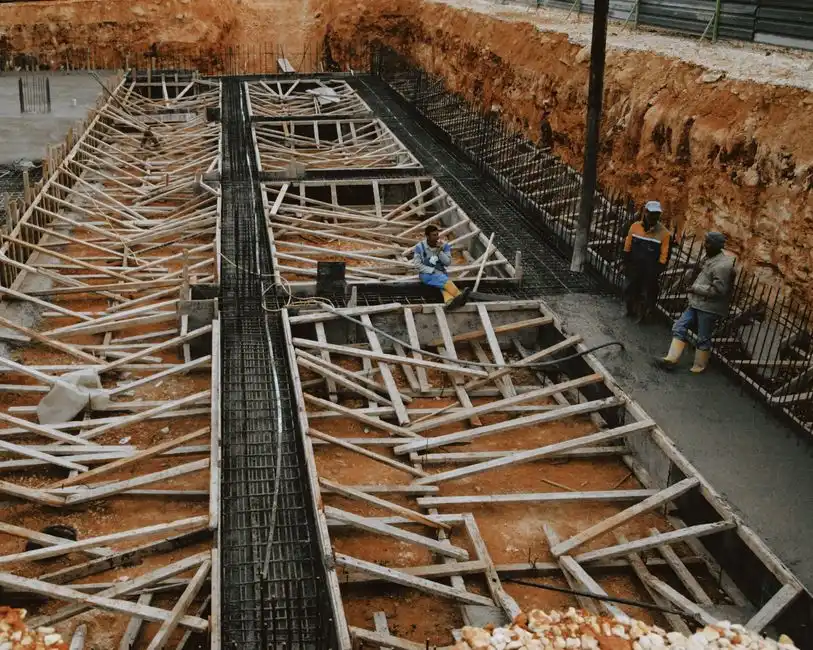
Service overview
Concrete Foundation Construction San Diego CA Explained
Concrete Foundation Construction San Diego CA is the engineered placement of footings, stem walls, and slabs that transfer a building's weight into stable ground. It starts with excavation to a designed depth, then compacted base, then rebar or wire mesh tied to plan. We set forms, pour 2,500 to 4,000 psi concrete, and finish with a bull float, edger, and groover before the mix sets. Every pour follows IBC and ASTM Standards, plus California code for seismic zones. San Diego sits on a mix of coastal sand, clay, and decomposed granite, and that ground moves differently from street to street. A footing that works in Poway may need over-excavation in Pacific Beach. That is why we test soil, check drainage, and size footings to your lot before we order a single yard of concrete. If you have been searching for concrete foundation construction San Diego CA near me, we serve the whole county with free estimates.
! Problems we solve
Cracks running through slab or stem wall
Small cracks let water in, which corrodes rebar and leads to spalling and structural weakening over time. A crack that widens seasonally usually means the soil underneath is moving.
Slab sinking or floors feeling uneven
Settlement throws doors out of square, cracks interior finishes, and can compromise the structure. It usually gets worse, not better, and it kills resale value when a buyer's inspector flags it.
Spalling and efflorescence on foundation walls
Spalling means the concrete surface is flaking off, usually from freeze-thaw, salt, or poor mix design. Efflorescence is the white powder left behind when water moves through concrete. Both signal moisture problems.
Scope of work
What Our Foundation Construction Service Includes
Every foundation project is different, but the core scope is consistent. Here is what we handle on a standard residential foundation pour, and what we can add on if your project needs it.
-
01
Excavation and Base Prep
We excavate to the designed footing depth, typically 12 to 24 inches for residential work, then compact the base in lifts and verify grade with a laser level. Proper base prep is what keeps a foundation from settling later, and it is the step most cheap bids skip.
-
02
Formwork and Reinforcement
We build and brace forms to hold the pour, then tie rebar and wire mesh to the engineered spacing. Anchor bolts and hold-downs go in before the pour, positioned to match your framing plan. Everything is verified before the inspector walks the site.
-
03
Concrete Placement and Finish
We order mix to spec, pour with a chute or pump depending on access, and finish with a bull float, edger, and groover. We apply curing compound to lock in moisture so the concrete reaches full design strength. Most residential pours finish in three to five hours.
-
04
Permits and Inspection Coordination
We pull the foundation permit, schedule the pre-pour inspection, and coordinate the final sign-off. You do not have to chase the city or figure out which inspector covers your address. We handle the paperwork from application to final approval.
Why a Proper Foundation Matters
A foundation is the one concrete element you never get to redo cheaply. Pour it right the first time and everything above it stays level, dry, and square for decades.
Request free estimateTools and Methods We Use
Concrete Pump
Gets concrete to backyards, hillside lots, and tight-access sites where a truck cannot reach. Keeps the pour continuous so the mix stays consistent and you avoid cold joints.
Laser Level
Verifies grade and form height across the whole footprint before the pour. A laser level catches a low corner before it becomes a drainage problem in the finished slab.
Power Trowel and Bull Float
Finishes the slab surface to the right texture and flatness. We use a bull float for large areas and a power trowel when the spec calls for a hard, smooth finish.
Rebar Cutter and Bender
Cuts and shapes rebar to the exact dimensions on the engineered plan. Accurate bends mean reinforcement sits where the engineer designed it, not where it is convenient.
Local execution
San Diego foundations are shaped by three things: coastal soil, seismic code, and a marine climate that keeps moisture in the ground year-round. Coastal lots from Ocean Beach to Encinitas sit on sandy, sometimes sulfate-rich soil that attacks ordinary Portland cement, so we spec sulfate-resistant mixes and admixtures from Sika or BASF on those jobs. Inland lots in Poway, El Cajon, and San Marcos often sit on clay or decomposed granite that expands and contracts with the seasons, which means deeper footings and more careful drainage. The county's seismic zone adds another layer: anchor bolts, hold-downs from Simpson Strong-Tie, and reinforcement all have to meet California code, and inspectors check them before the pour. We have been pouring foundations here since 2019, so we know the timelines and quirks in each jurisdiction. If you are comparing foundation construction San Diego options, ask any contractor how they handle coastal sulfate soil and clay expansion. The answer tells you whether they actually build here.
How Foundation Construction Runs in San Diego
- • Carmel Valley
- • North Park
- • Pacific Beach
- • Rancho Bernardo
Recent work
Foundation Crews Ready When You Are
We Answer the Phone and Show Up
Foundation work is scheduled, not emergency, but that does not mean you should wait a week for a callback. We answer the phone during business hours, and we schedule site visits within two to three business days of your first call. Our crew runs two to four people on a typical residential foundation, with a concrete pump on standby for tight-access lots. We keep curing compound, expansion joint material, and rebar on hand so a scheduled pour does not slip because a supplier is short. If you have a foundation emergency, like a slab that has suddenly shifted or a wall that is cracking fast, call us and we will get someone out to assess it as quickly as we can. We serve San Diego County and the surrounding areas, and we give free estimates on every job.
How Our Foundation Process Works
Site Visit and Soil Check
We walk the lot, check slope and drainage, and review your plans or help you scope the project. On most jobs we recommend a soil report so footing depth and reinforcement match the actual ground. This visit takes about an hour and you get a written estimate within two business days.
Permits and Engineering
We pull the foundation permit through the City of San Diego or the relevant jurisdiction and coordinate with your engineer or architect on the structural drawings. Plan review usually runs two to four weeks depending on the city. You do not have to stand in line at the development services counter.
Excavation and Base Prep
Our crew excavates to the designed depth, typically 12 to 24 inches for residential footings, then compacts the base in lifts. We set form boards, install expansion joint material, and run a laser level across the whole footprint so the pour stays flat. This phase takes one to two days on a typical lot.
Foundation Construction Pricing in San Diego
Foundation pricing in San Diego depends on square footage, soil conditions, footing depth, and access. Most residential work in 2026 runs $12 to $25 per square foot, with stem walls and hillside lots at the higher end. We give you a line-item estimate after a site visit, so you can see what excavation, forming, rebar, concrete, and finishing each cost. There is no charge for the estimate, and we do not pad the number to leave room for change orders.
Square footage and thickness
A bigger footprint needs more concrete, more rebar, and more finishing time. Thicker slabs and deeper footings add material and labor. Most residential slabs run 4 to 6 inches thick, with footings 12 to 24 inches deep depending on the soil and load.
Soil and site conditions
Coastal sand, expansive clay, and hillside slopes all change the engineering and the cost. A lot that needs over-excavation, imported base, or caissons will cost more than a flat infill lot with stable soil. A soil report usually pays for itself by preventing over-building.
Access and concrete delivery
Tight backyards and hillside lots often need a concrete pump, which adds cost but keeps the pour continuous. Sites where a truck can back right up to the forms are cheaper. We assess access on the site visit and tell you upfront if a pump is needed.
Licensed, Certified, and Reviewed
Foundation Questions San Diego Homeowners Ask
How much does concrete foundation construction cost in San Diego CA?
Most residential foundation work in San Diego runs $12 to $25 per square foot in 2026, so a 1,000-square-foot slab lands between $12,000 and $25,000. Stem walls, hillside lots, and deep footings push the number higher. Excavation, soil conditions, and reinforcement density drive most of the swing. We give you a line-item estimate after a site visit so you can see exactly where the money goes.
How long does foundation pouring take in San Diego?
The pour itself takes three to five hours for a typical residential foundation, and the full on-site build usually runs two to four days from excavation to finish. Add two to four weeks for permit review before we start. Concrete reaches about 70 percent of design strength in seven days and full strength at 28 days, which is when you can load the structure.
Who is the best foundation contractor in San Diego California?
The right contractor is the one who pulls permits, builds to a stamped plan, and stands behind the work. We have been pouring foundations in San Diego since 2019, we hold ACI Certification, and we warranty our workmanship. Ask any contractor for their CSLB license, their insurance, and two recent local jobs you can drive past. We will hand you all three.
Do I need a permit for foundation construction in San Diego?
Yes. Any new foundation, structural slab, or footing in San Diego requires a building permit and at least one inspection before the pour. The City of San Diego, Chula Vista, and other jurisdictions each have their own review timelines, typically two to four weeks. We handle the permit application and coordinate the inspection so you are not chasing paperwork.
Related services
Concrete Driveway Installation
A new driveway often goes in right after the foundation, and we pour both with the same crew. We match thickness, reinforcement, and finish so the driveway and foundation age at the same rate and drain together.
Concrete Patio Installation
Patios sit on their own slab, and we build them to the same drainage and reinforcement standards as a foundation. If you are pouring a foundation in San Diego, adding a patio in the same project saves mobilization cost.
Get Your Concrete Foundation Construction San Diego CA Quote
We have been pouring foundations in San Diego since 2019, and we back every job with a written workmanship warranty. Call us at (619) 231-1616 or request a free on-site estimate and we will walk your lot, answer your questions, and put a real number in writing.